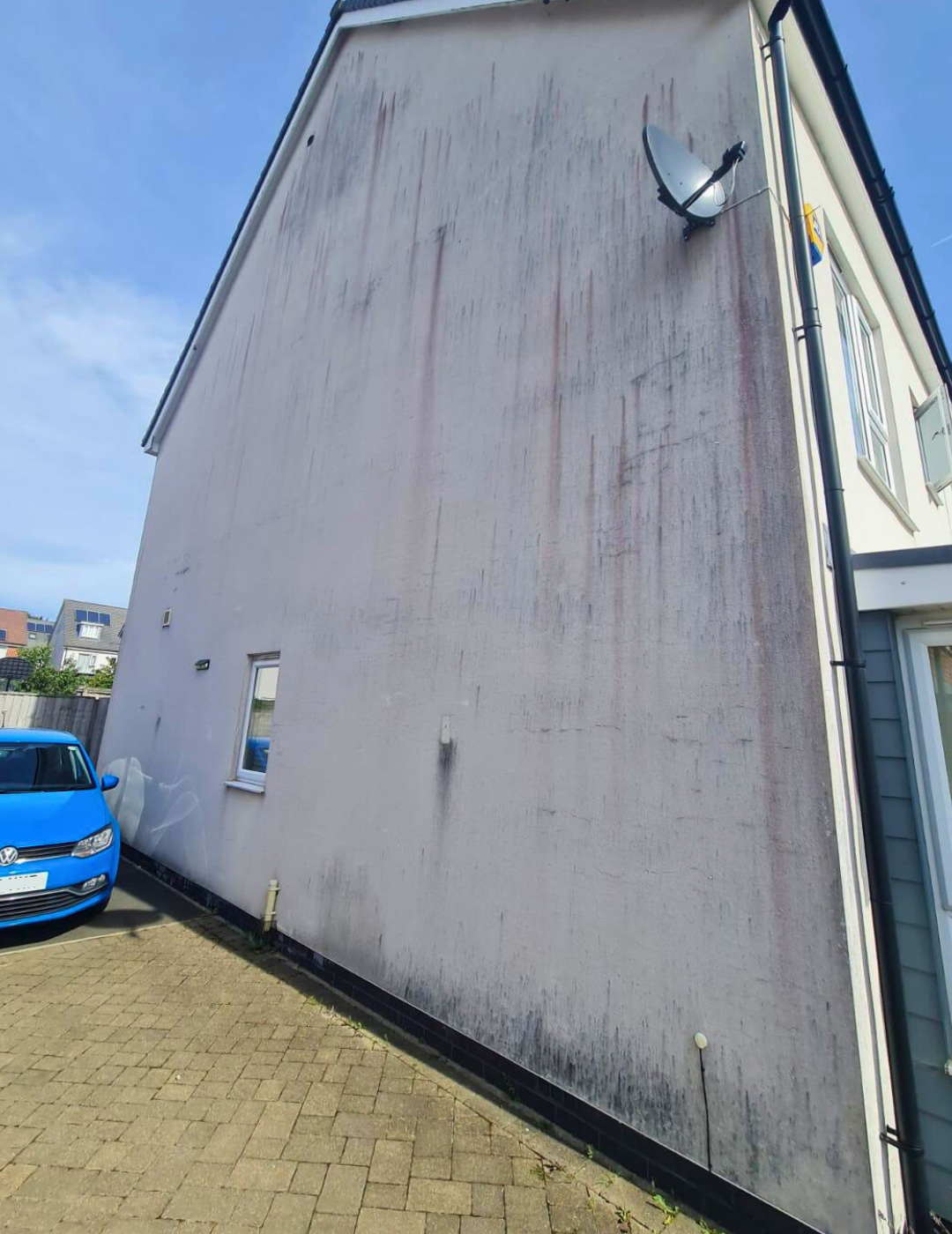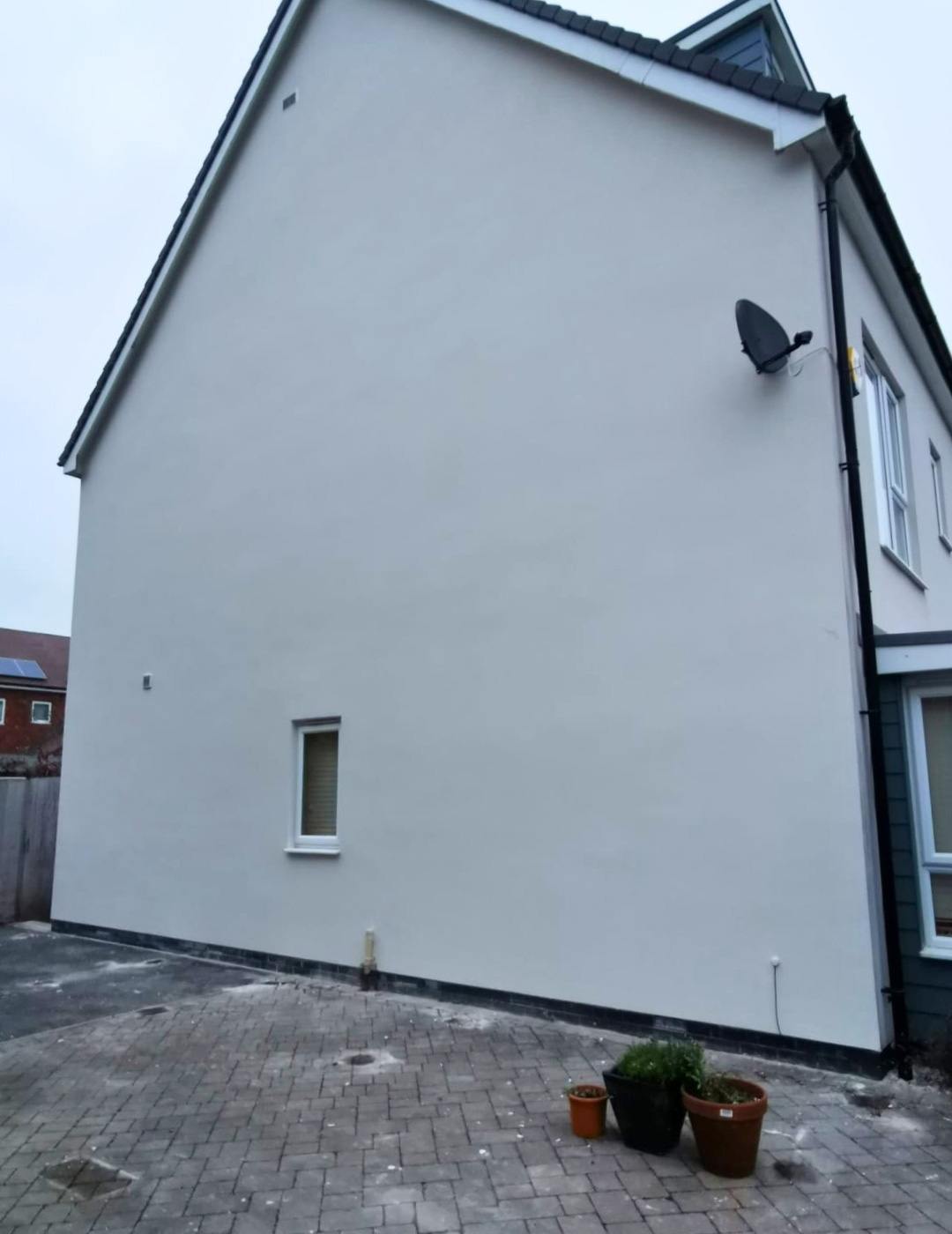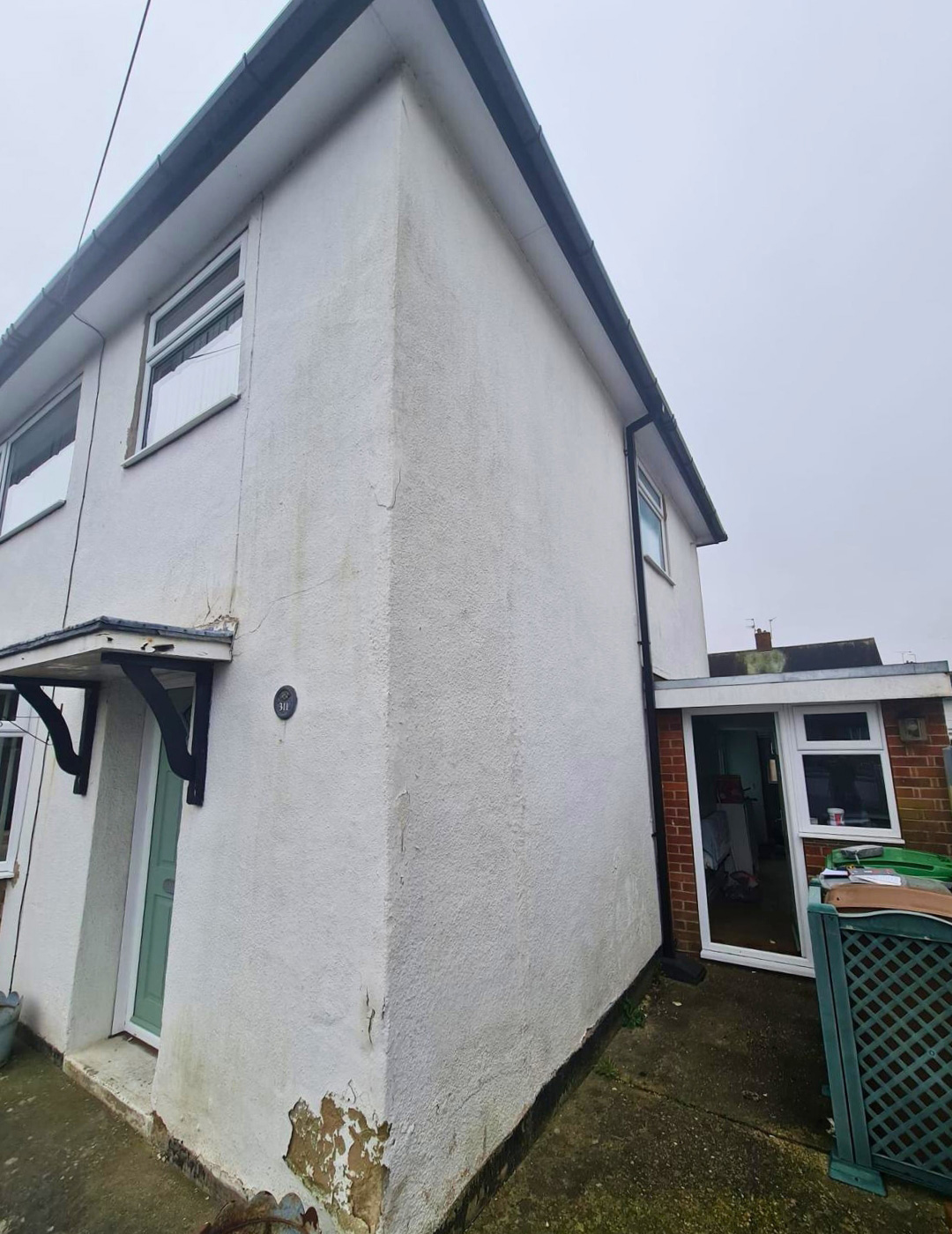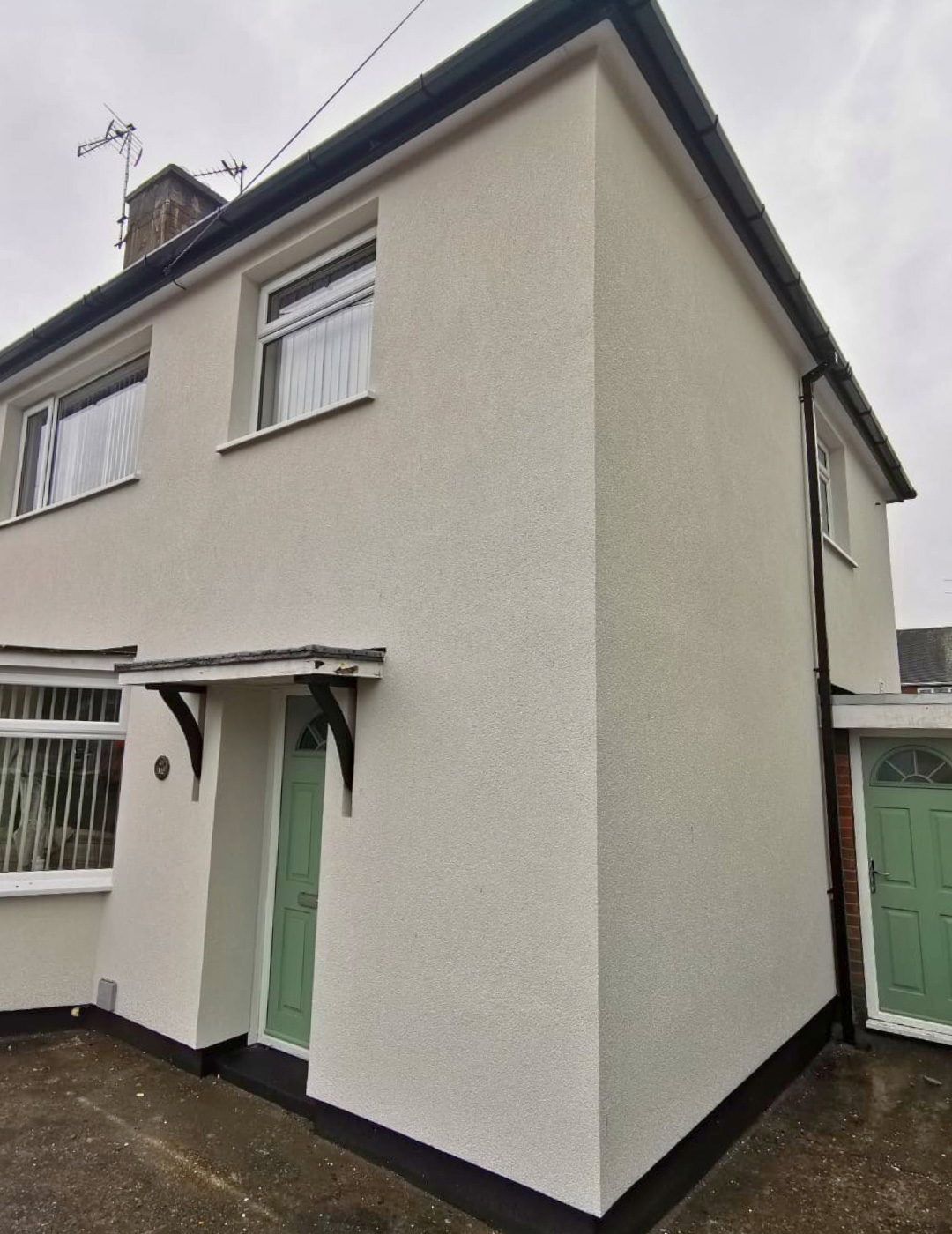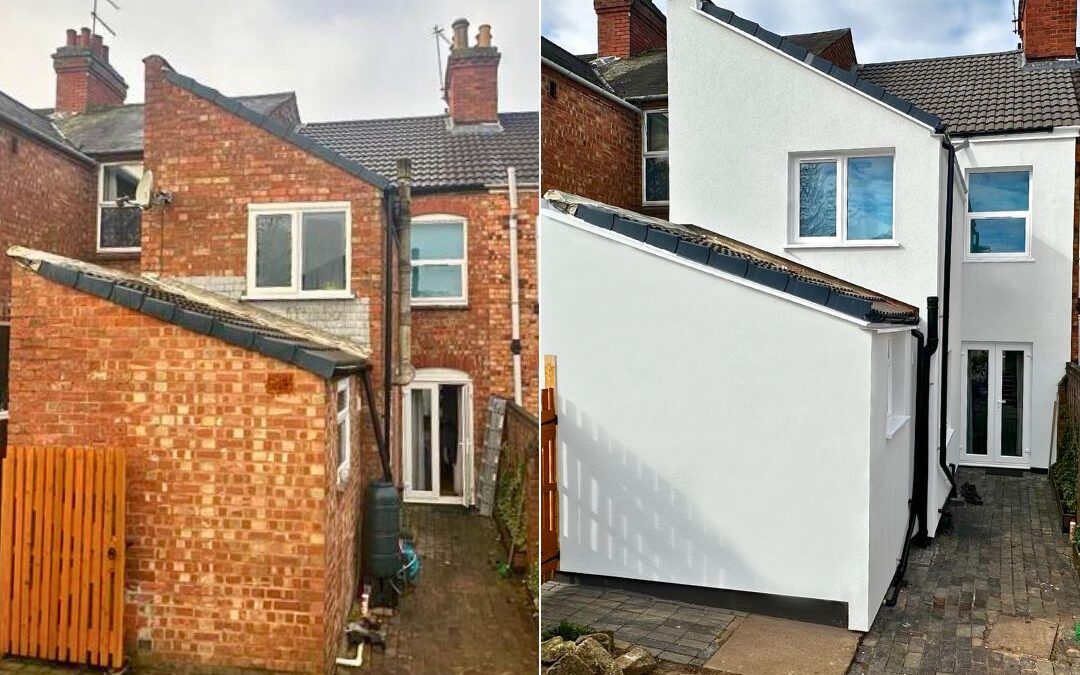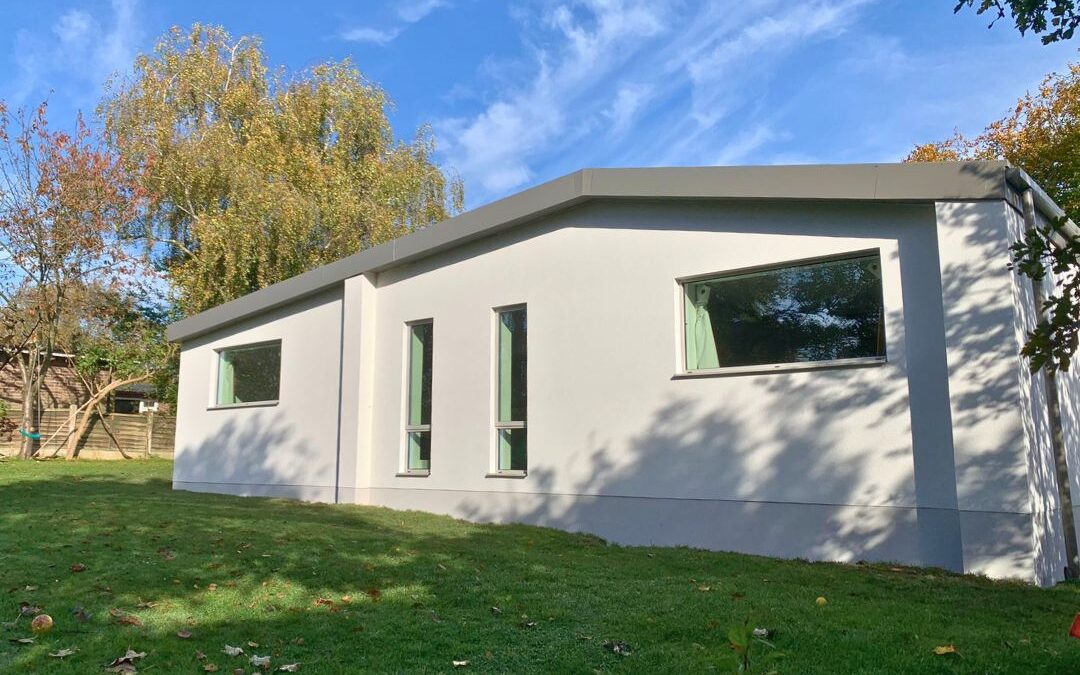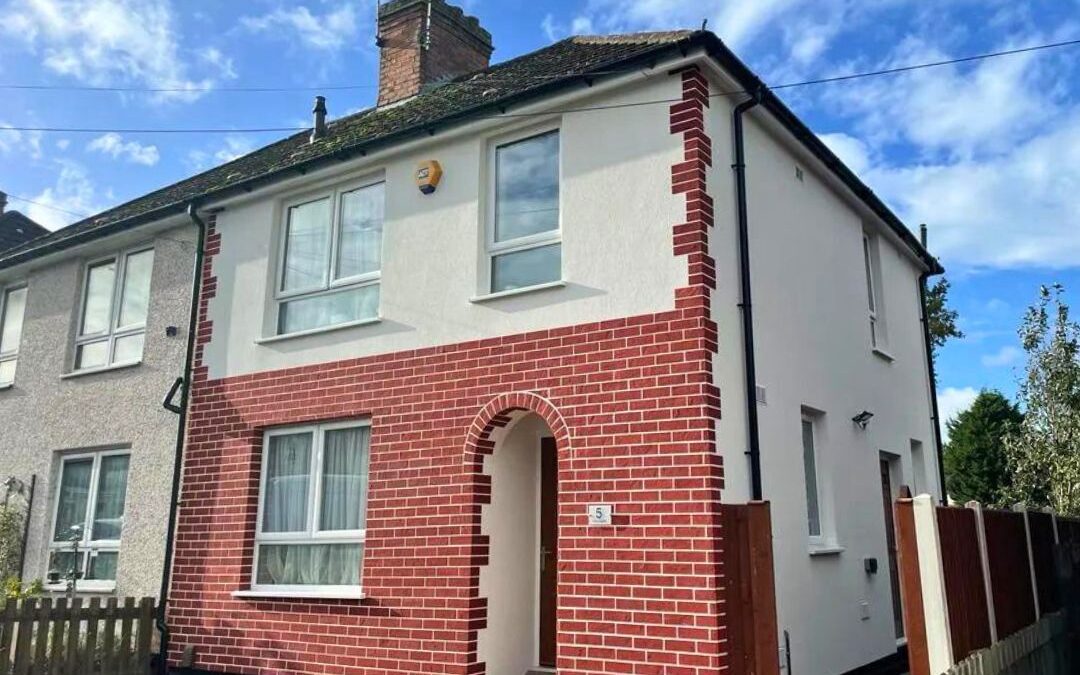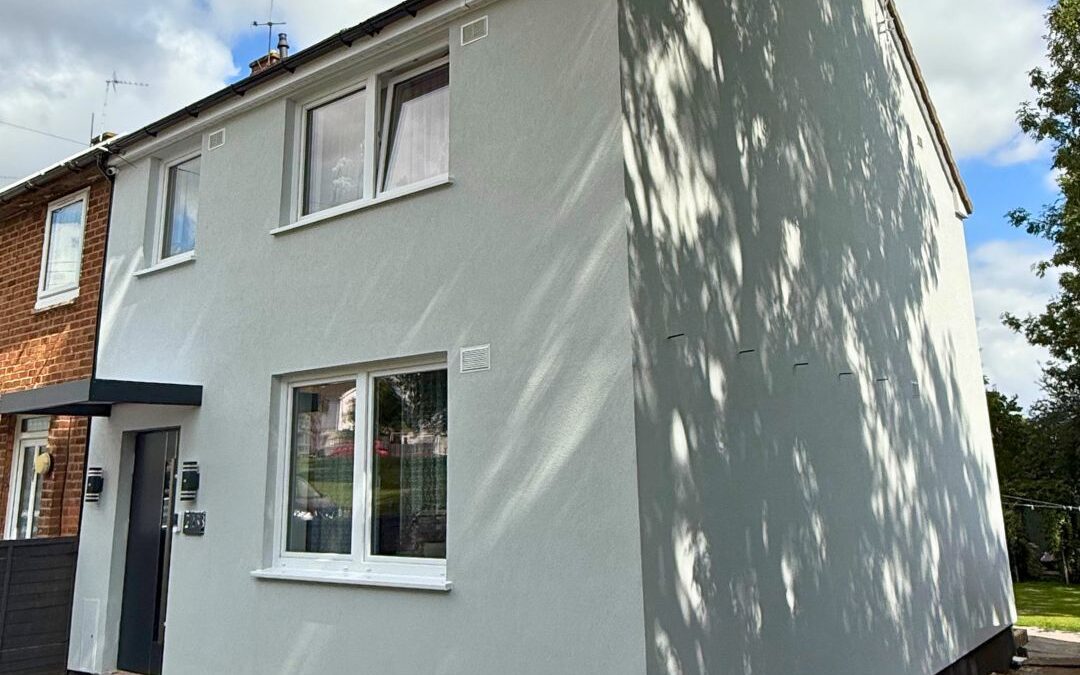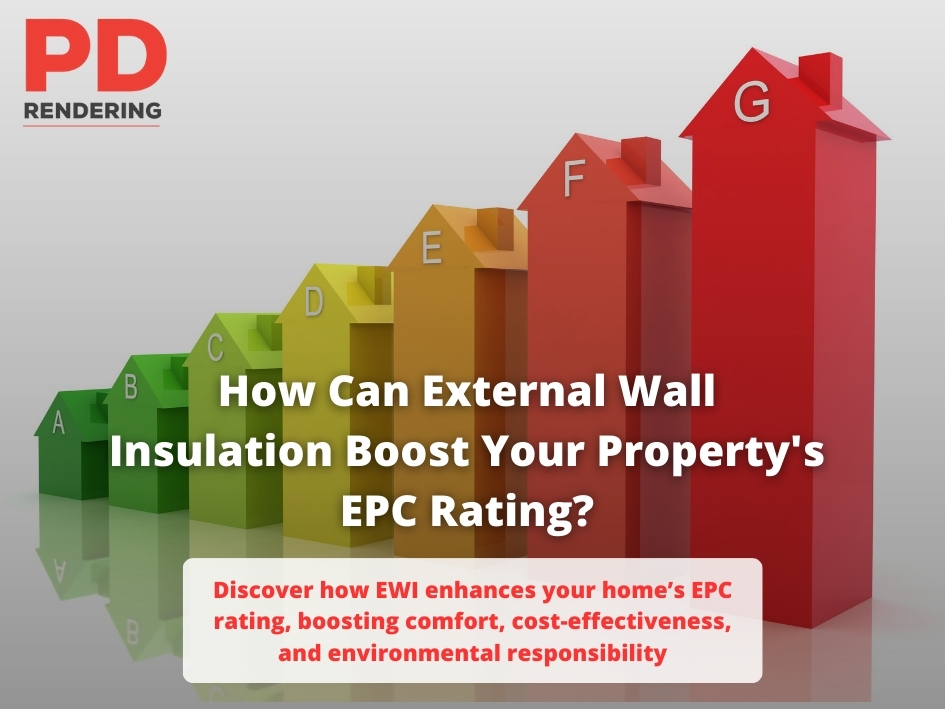
Are you considering energy-efficient upgrades for your home? In an era where energy costs are rising, enhancing your home’s energy efficiency is not just a cost-effective move — it’s a smart investment. But how can external wall insulation boost your property’s EPC rating?
Implementing external wall insulation significantly enhances your home’s thermal performance, which can reduce energy bills and increase comfort. This upgrade not only elevates your property’s aesthetic appeal and market value but also meets growing consumer demands for sustainable living spaces. Properties with higher EPC ratings promise lower running costs and are more environmentally friendly.
Discover the multifaceted benefits of improving your EPC rating with external wall insulation, making your home more attractive, cost-effective, and environmentally responsible, all while providing a more comfortable living environment.
What is External Wall Insulation?
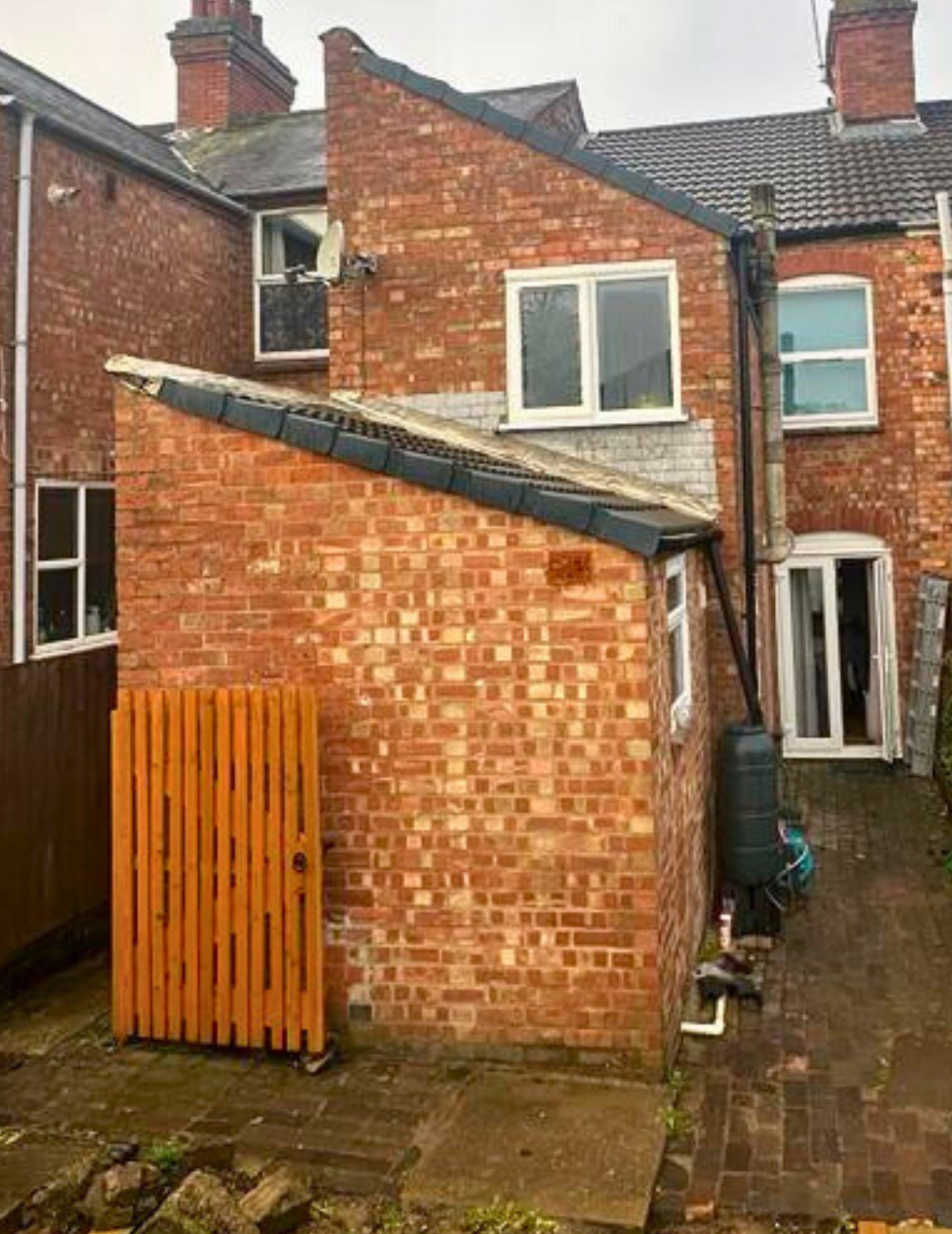
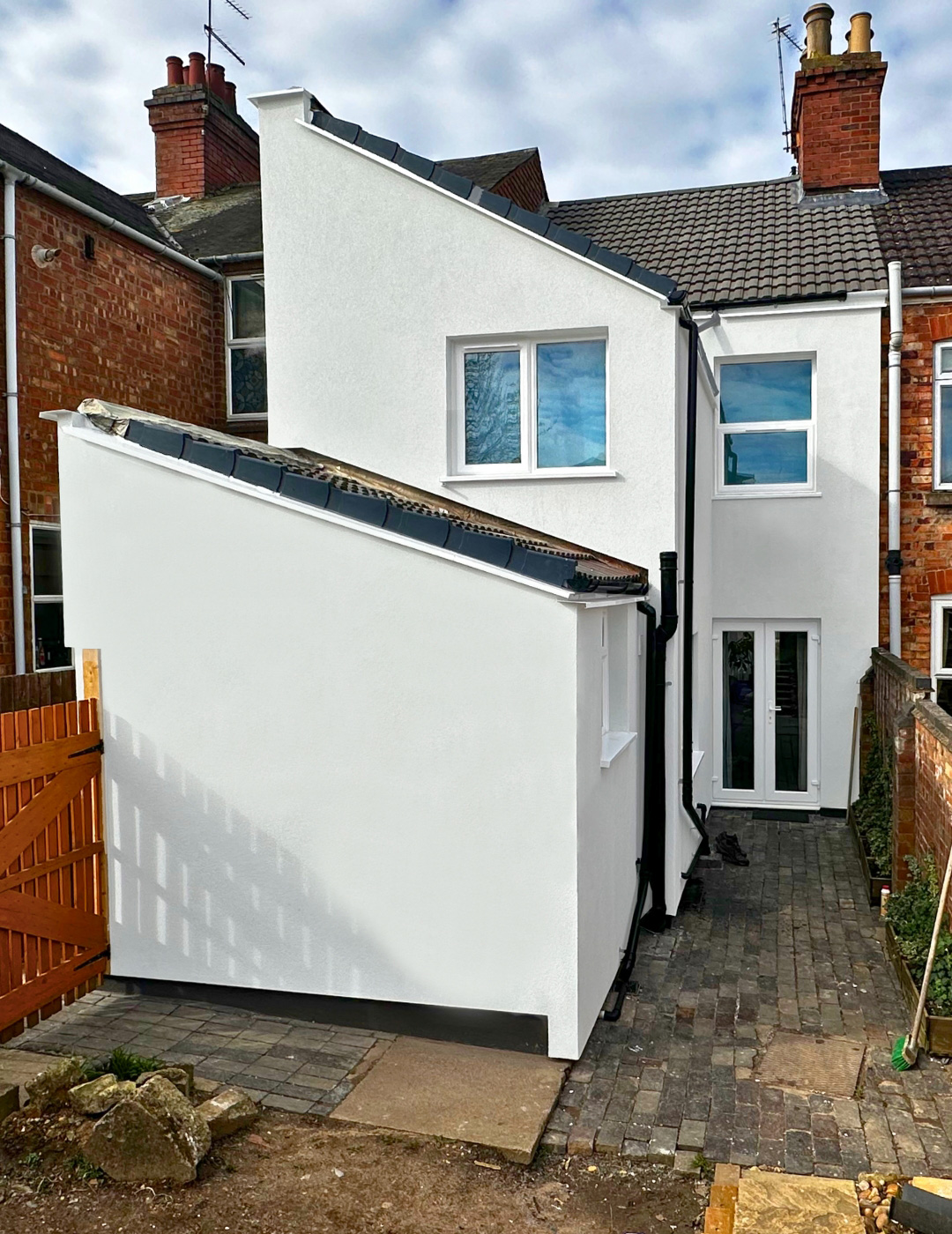
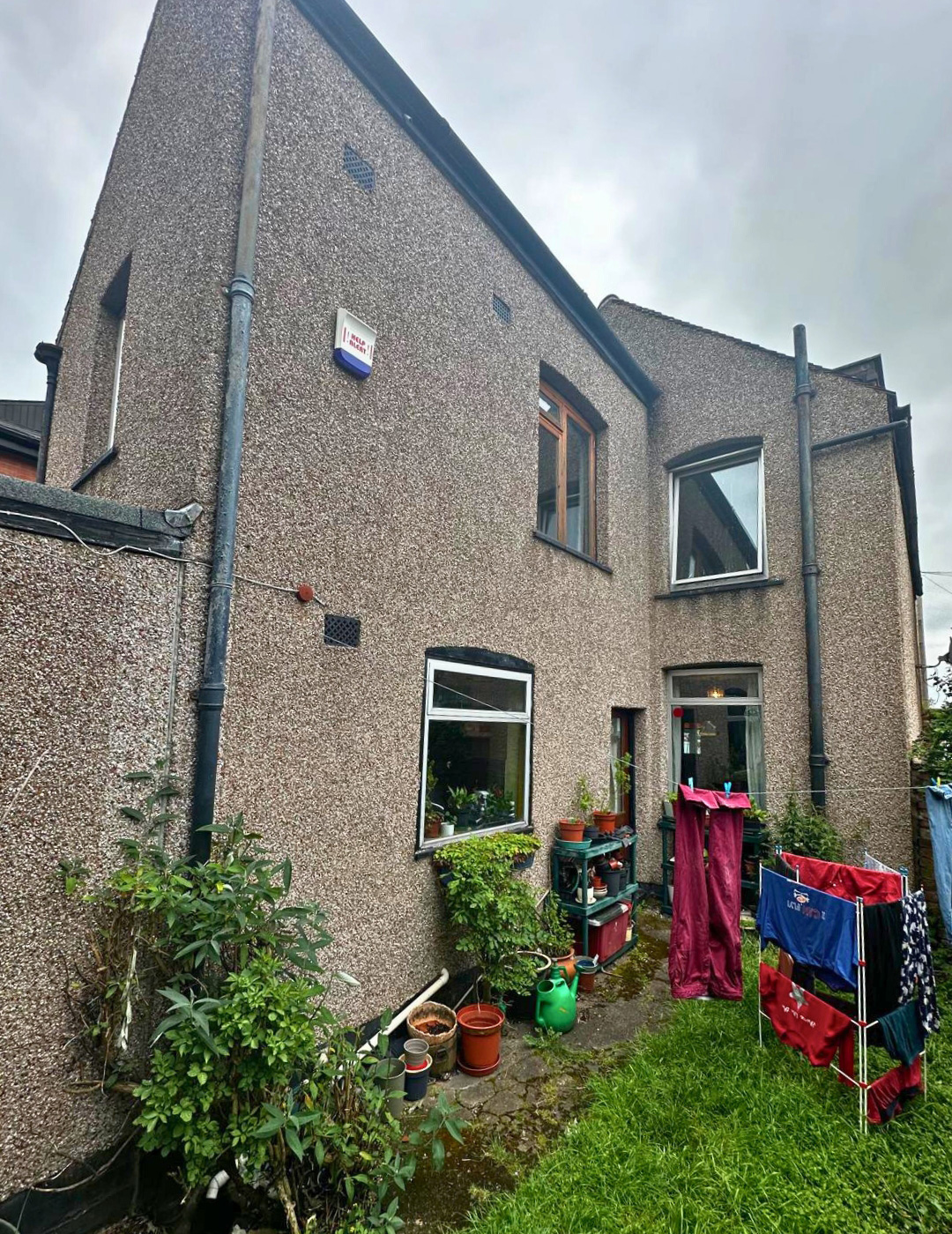
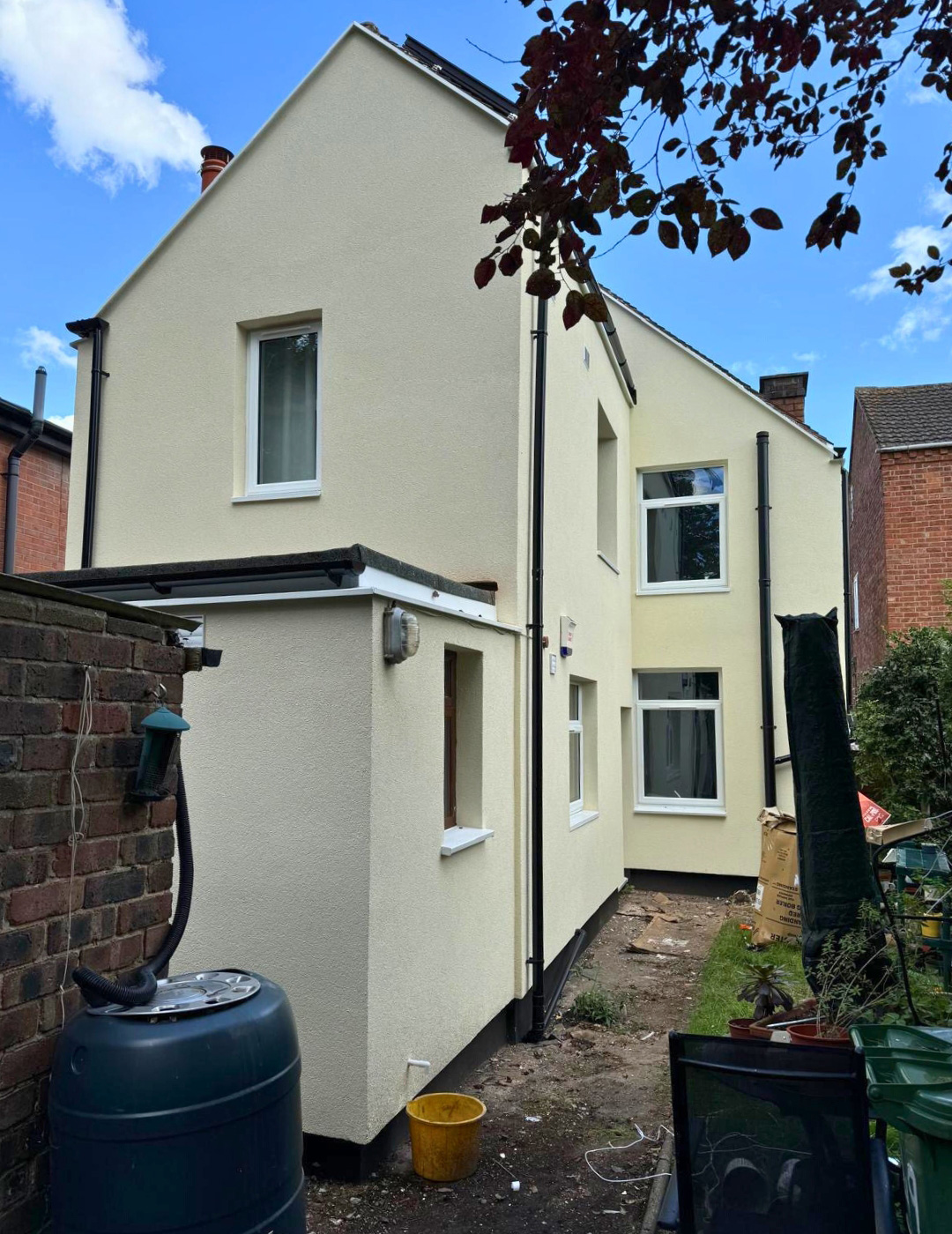
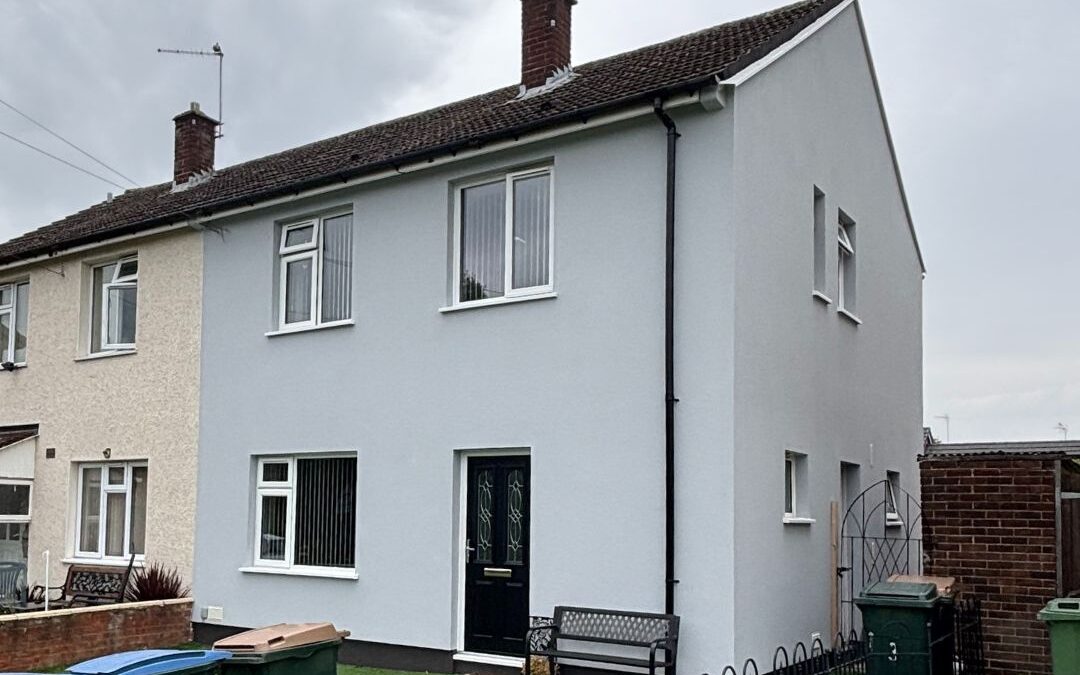
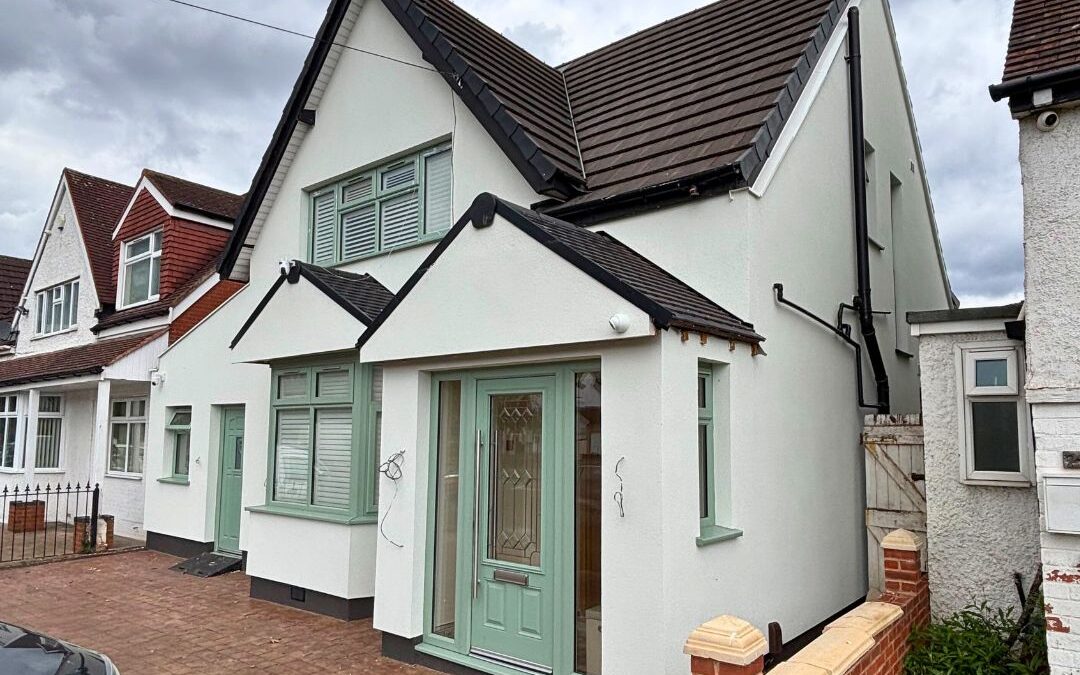
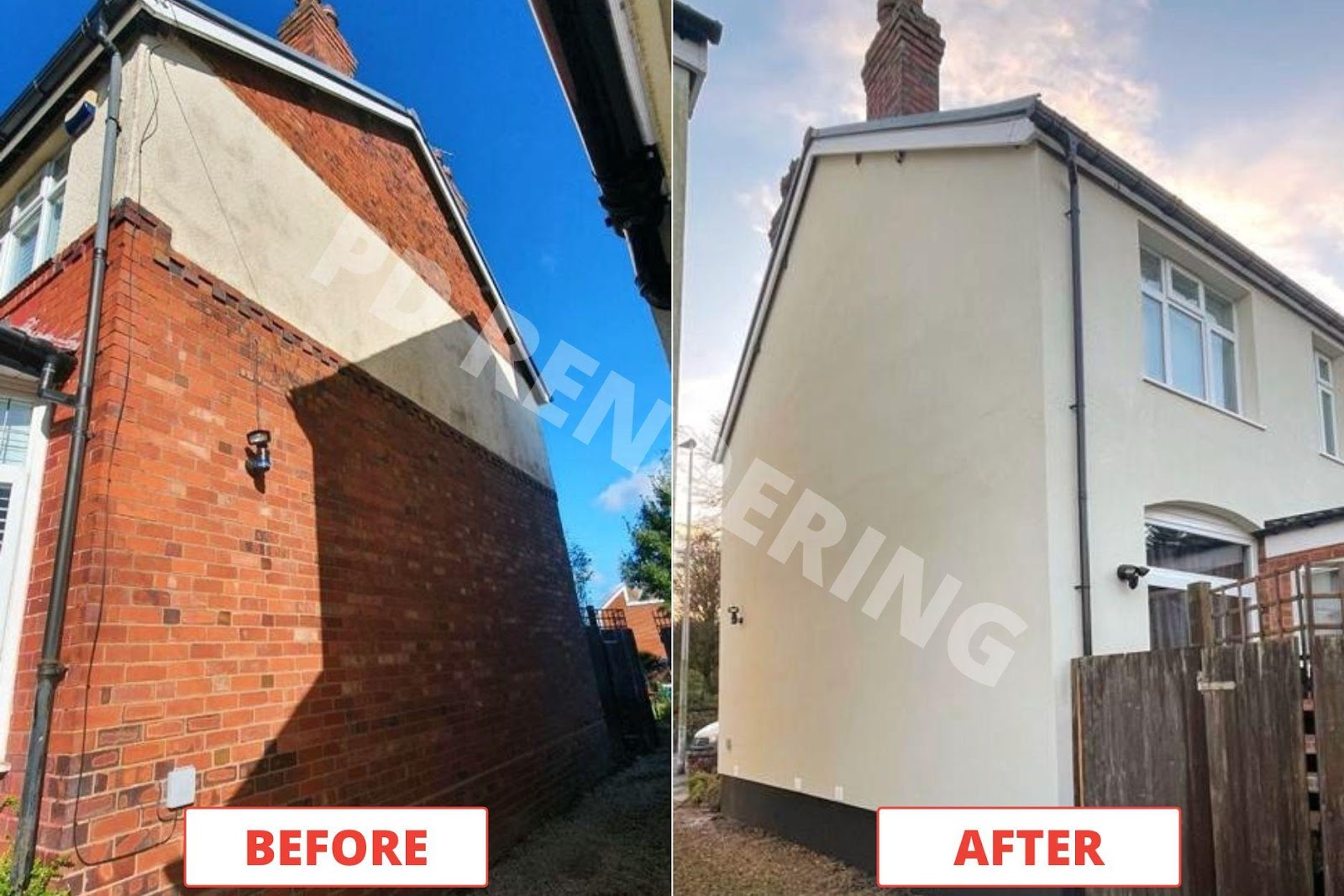
External Wall Insulation (EWI) consists of two crucial layers: the insulating layer and an external layer of either mineral or synthetic render. This structure not only shields against the elements but also enhances the building’s appearance. Commonly used materials for EWI include Expanded Polystyrene (EPS), Mineral Wool, and Phenolic Insulation, all secured by a durable, weatherproof finish that maintains insulation effectiveness regardless of weather variations.
What is the EPC rating?
Similar to the colourful labels on new appliances, Energy Performance Certificates (EPCs) assess and rate the energy efficiency of buildings in the UK, ranging from A (very efficient) to G (inefficient). This rating helps homeowners, tenants, and potential buyers estimate the energy costs associated with the property.
The EPC rating is determined by the property’s energy use per square metre and its carbon dioxide emissions, measured in tonnes per year. The certificate not only shows the current energy efficiency but also suggests how the rating could improve with certain enhancements. It also outlines cost-effective methods to boost the property’s energy score. An EPC remains valid for 10 years.
Why Do I Need an EPC?
An Energy Performance Certificate (EPC) is crucial if you’re planning to sell or lease your property. It must be obtained before your property is marketed and only a certified domestic energy assessor can issue it. This certificate not only complies with legal requirements but also serves as a key document for prospective buyers or renters to evaluate and compare the energy efficiency of different properties.
In the UK, homes typically have an EPC rating around D. This rating can vary significantly depending on the property’s construction, age and location. Older properties generally have lower ratings due to less efficient insulation and heating systems, whereas newer buildings often score higher due to advancements like energy-efficient windows, modern insulation and contemporary heating solutions.
Achieving at least a C rating is becoming increasingly important for homeowners and landlords. This is not only to meet forthcoming regulations but also to enhance the property’s efficiency and market value. Attaining this rating may require investments in improved insulation, efficient heating systems, and potentially, renewable energy sources such as solar panels.
The UK Government has set ambitious targets to raise the minimum EPC rating to C by 2035 as part of broader efforts to reduce emissions. The Minimum Energy Efficiency Standards (MEES) currently require a minimum rating of E, with plans to increase this requirement to C for new tenancies by 2025 and for all tenancies by 2028.
Improving your EPC rating is more than a regulatory requirement—it reduces heating costs, contributes to environmental protection, and enhances the market appeal of your property.
How much does the EPC rating improve with EWI?
Applying EWI to a property with poor insulation can noticeably boost its EPC rating, potentially elevating it several bands. For example, a property initially rated E or F might achieve a C or even a B rating post-installation. However, this improvement isn’t only dependent on EWI; the efficiency of the windows, roof insulation and heating system, also play crucial roles.
By enhancing a building’s thermal efficiency, EWI cuts down the energy needed for heating and cooling, thereby reducing its carbon emissions. These energy savings are directly mirrored in the enhanced EPC rating, showcasing the property’s increased energy efficiency.
Additional Advantages of External Wall Insulation
Thermal Bridging Reduction: EWI effectively addresses thermal bridging, where breaks in insulation allow heat to escape, increasing energy use and reducing comfort. By wrapping the building’s exterior with insulation, thermal losses are minimised, enhancing overall energy retention.
Temperature Stability: EWI helps maintain stable internal temperatures by reducing fluctuations that often lead to increased heating or cooling demands.
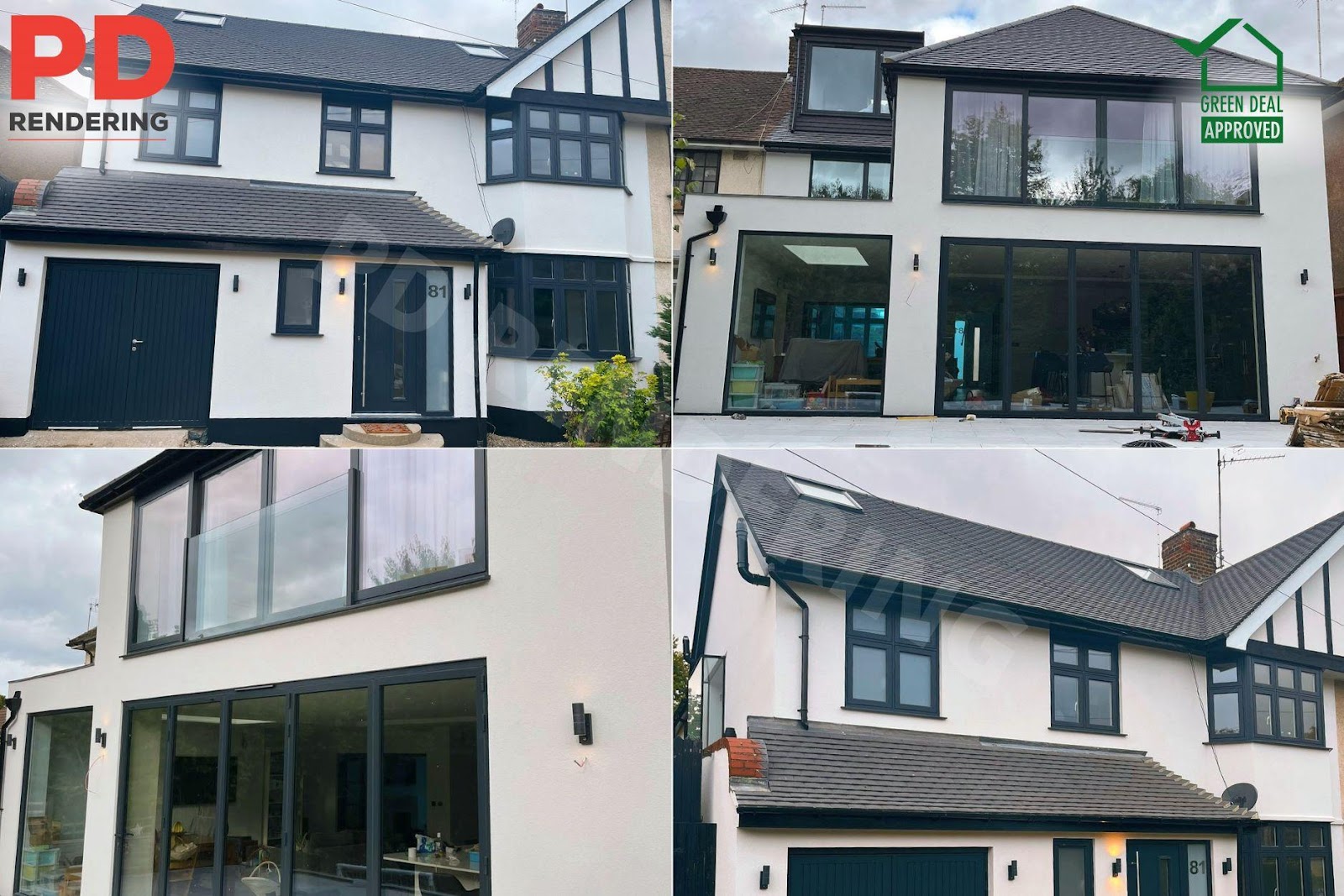
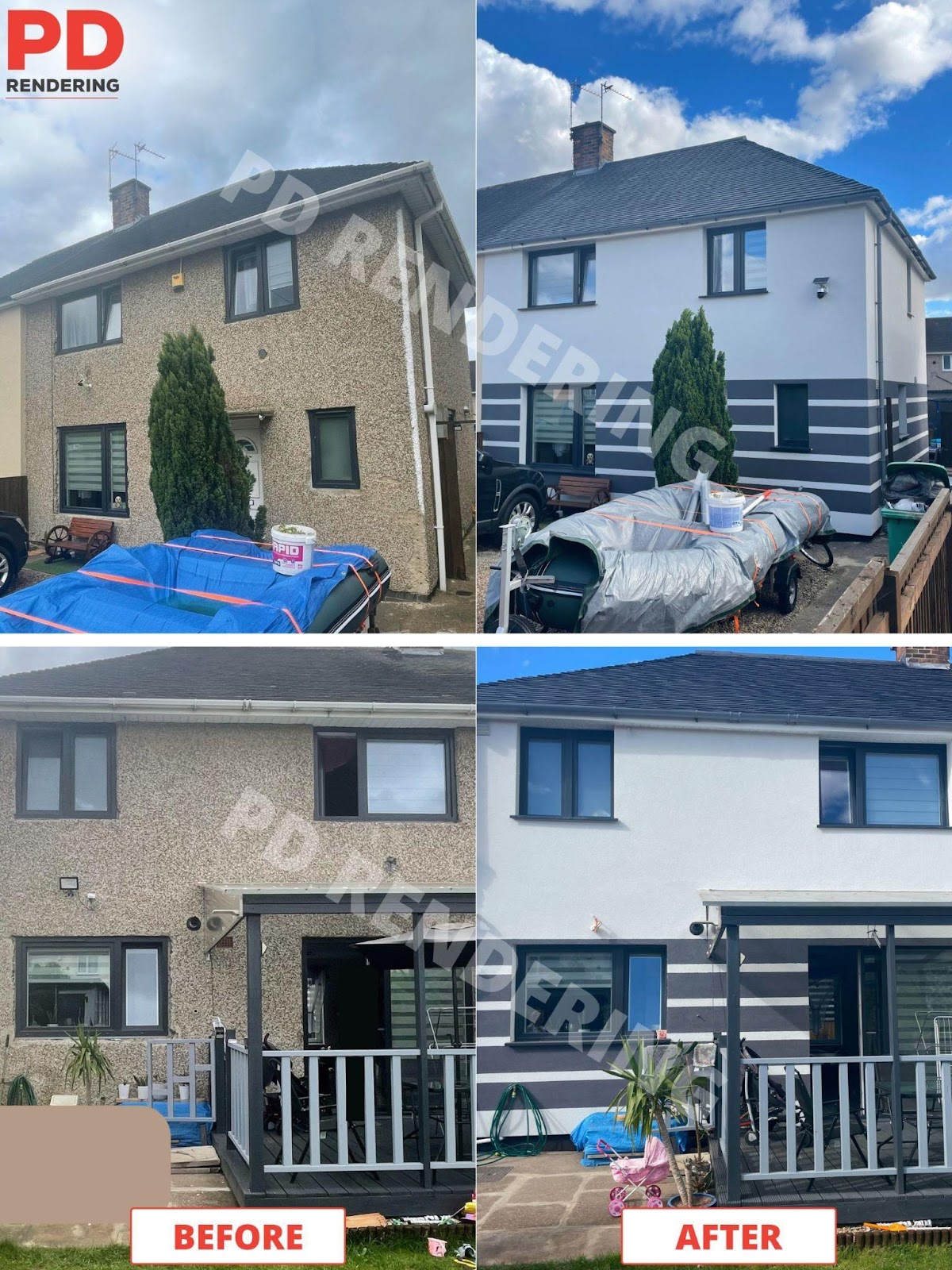
Aesthetics and Protection: Beyond practical benefits, EWI also enhances the external appearance of your property, providing a facelift that adds curb appeal. Additionally, it offers superior protection against environmental elements, ensuring long-term structural integrity.
Comprehensive Impact: It’s crucial to note that while EWI significantly influences a building’s energy efficiency, other factors like heating system efficiency, renewable energy integration, and window and door performance also play essential roles. This makes EWI an integral part of a comprehensive strategy to enhance both the functionality and aesthetic appeal of properties.
Considering an upgrade to your property’s EPC rating? External Wall Insulation offers a robust solution, serving as a complete thermal barrier that enhances your building’s energy efficiency while maintaining its unique architectural charm.
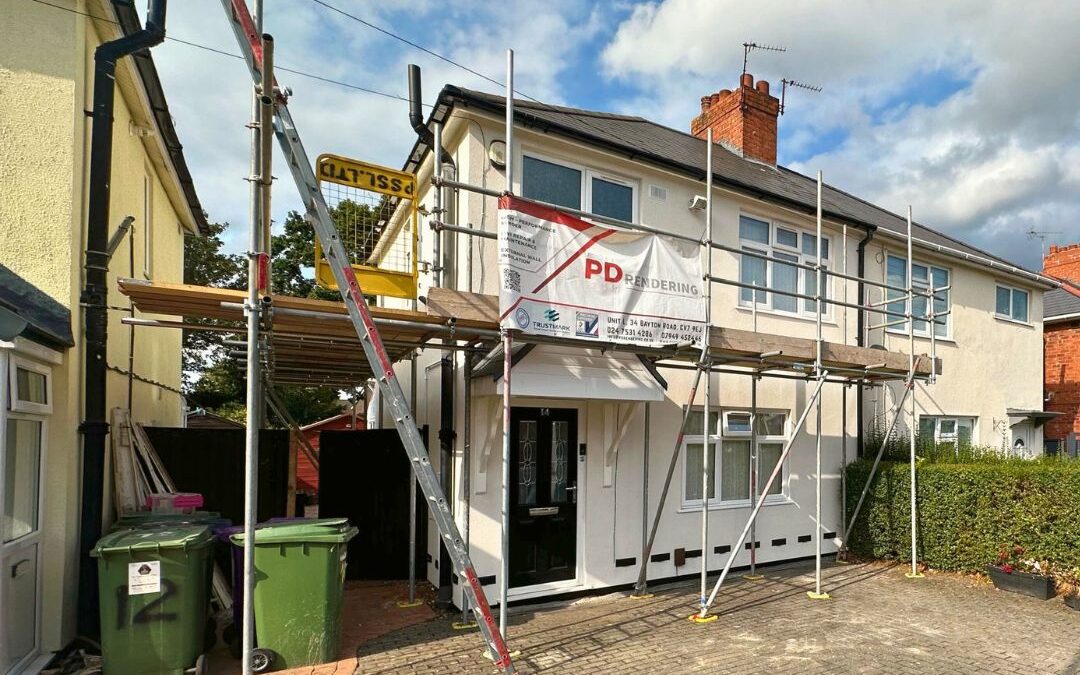
Expert installation of EWI is crucial to meet both aesthetic and functional requirements. For expert advice and a free consultation, contact us. With over 15 years of dedicated experience in external wall insulation and rendering, our skilled team is ready to tailor the perfect insulation solution to elevate your property’s comfort and energy efficiency.
Begin your journey toward a more energy-efficient and comfortable home today with PD Rendering.